
Water Softener, Filter and Reverse Osmosis Service
Arizona Water Company serves Casa Grande from groundwater wells, and its 2024 water quality report for the Casa Grande system lists the source but no hardness figure. That is a reason to test the water at your own tap before buying any equipment.
Testing the water, explaining what the results mean and installing the treatment that fits are jobs for a plumber serving your area. The earliest opening is a question for dispatch.
- Licensed and insured plumbers
- Same-day service when available
- 24/7 emergency dispatch
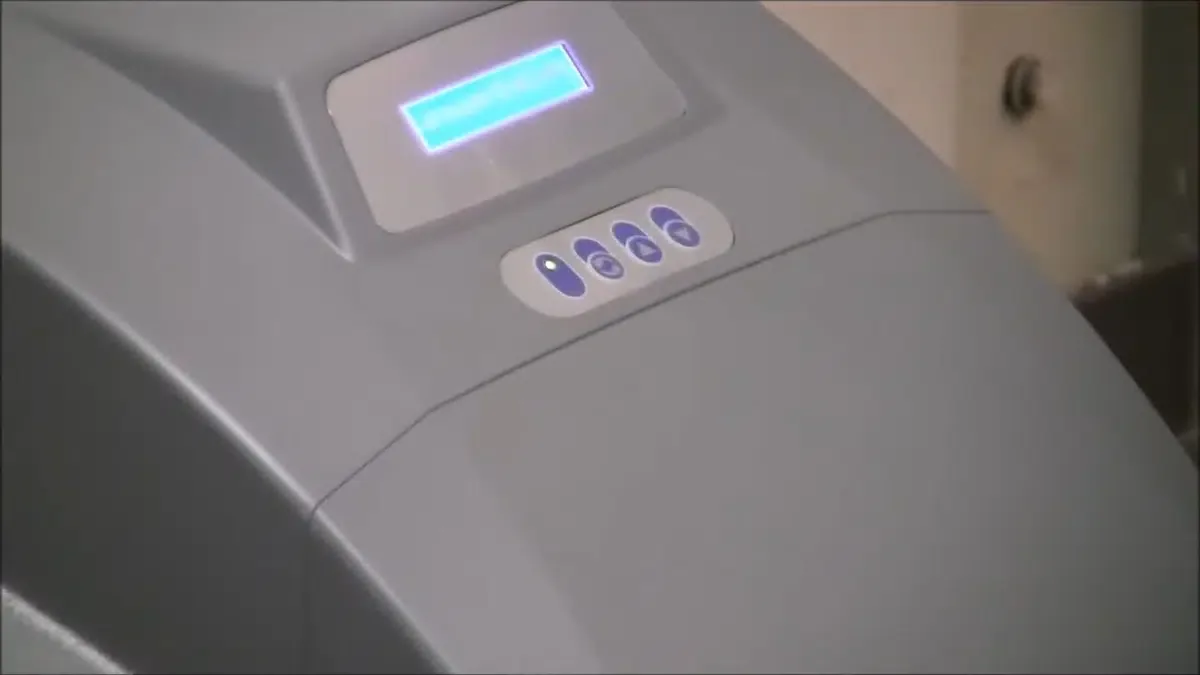
Hard water signs and water testing
Hard water leaves a pattern: white crust on faucets, spots on glassware, soap that does not lather and scale inside kettles and heaters. These are clues, not measurements.
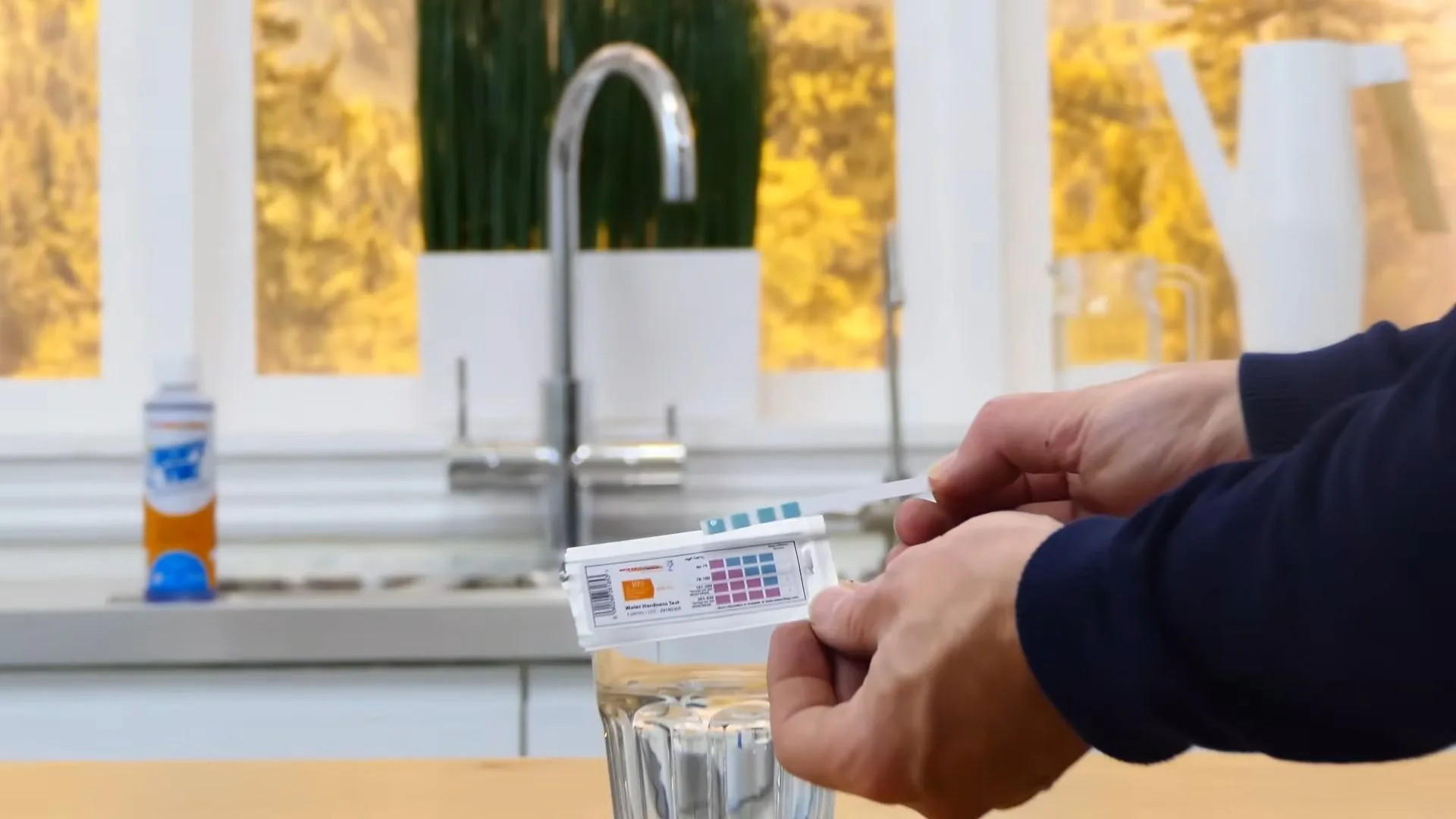
Testing gives the number. A plumber can use a test kit at the tap, or you can send a sample to a lab. The reading tells you whether a softener is needed and how it should be sized.
- White crust around faucets and showerheads
- Spots on dishes after the dishwasher
- Dry skin or stiff laundry
- Reduced flow from scale in aerators and lines
Scale also builds on the inside of water heaters and tankless units, so hard water can shorten appliance life.
How a water softener works
A softener swaps the hardness minerals in water for sodium or potassium as the water passes through a resin tank. When the resin fills up, the system regenerates: it flushes the tank with brine, rinses it and returns to service.
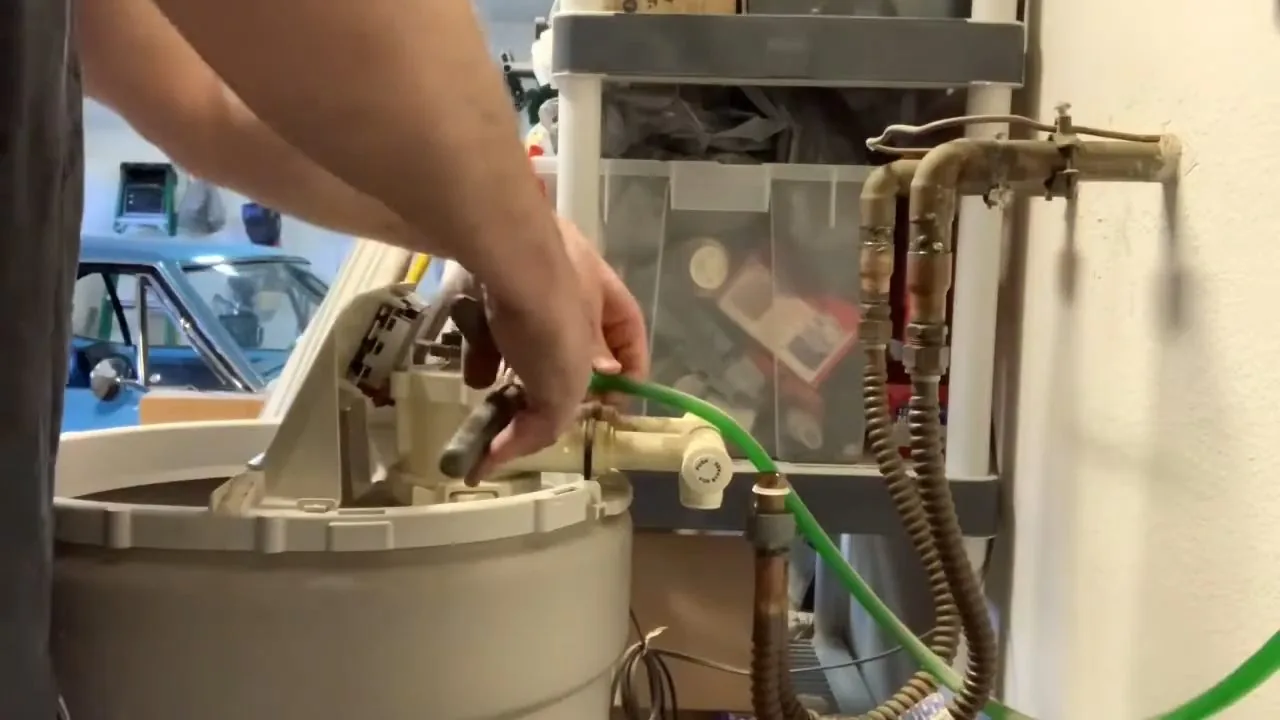
A brine tank holds salt, and a control head decides when to regenerate. The system needs a drain for the waste water and a nearby electrical outlet. Ask the plumber where the drain will go, since local rules govern what may discharge to the sewer.
Salt, brine and regeneration are normal parts of ownership. Check the salt level monthly and refill when it is low.
Use the salt type the maker specifies, and keep the lid closed so dust and moisture stay out. A clean brine tank every year or two keeps the system running smoothly.
Water softener installation
Installation connects the unit to the main water line at a point before the water heater. A bypass valve is added so the house can keep water while the softener is serviced. The plumber sets the unit on a firm base, connects the drain and sets the control for your measured hardness.
The location matters. Most homes use a garage or a utility closet near the main entry. Outdoor locations need protection from sun and weather.
- Test the water and size the unit
- Shut off and drain the main line
- Cut in the softener and bypass
- Connect the drain and power
- Program the control and test the water
Scale on fixtures or cloudy glassware
A water test shows what is in your supply. Call to book a plumber for the test.
Sizing and placing a softener
Capacity depends on two numbers: the hardness of the water and the amount the household uses. A bigger family running more laundry and showers uses up the resin faster, so the system regenerates more often. A unit that is too small regenerates constantly and wastes salt and water.
Placement affects service. Leave room around the unit so the lid opens, the salt can be loaded and the control head can be reached. The drain should be close and the floor level.
Ask the plumber to set the control for your tested hardness, and to write the setting down. If the water quality changes, you can compare against that record.
Softener repair and service
Common service calls include a softener that stops regenerating, a brine tank that does not draw, a resin bed that has worn out and a control head that has failed. Water that suddenly turns hard again is the usual sign that something has stopped working.
A salt bridge is a hard crust in the brine tank that stops salt from dissolving. Breaking it up with a broom handle is a safe fix, and a plumber can clean the tank thoroughly when the problem repeats.
Whole-house and under-sink filters
Water conditioning covers softeners, filters and reverse osmosis, and each does a different job. Filters remove different things than softeners. A whole-house sediment filter catches sand and rust particles. A carbon filter reduces taste and odor. An under-sink filter treats the drinking tap only and is changed on a schedule.
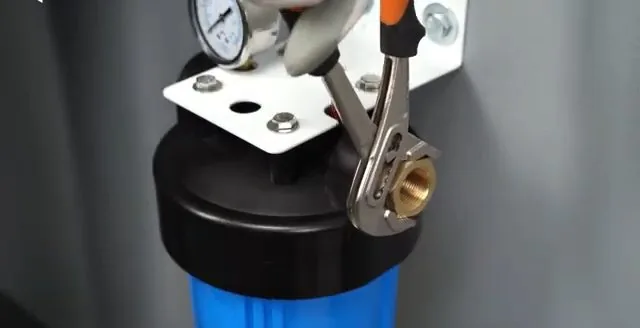
The 2024 water quality report for Casa Grande lists the source water and tested contaminants. Read it before choosing a filter, so that the filter targets what your water carries rather than a guess.
Filter cartridges wear out. Mark the change date on the housing so it does not get forgotten.
Ready for a softener or filter install
Dispatch can schedule the installation and the hookups.
Reverse osmosis drinking water systems
Reverse osmosis pushes water through a fine membrane to remove dissolved solids. A typical system sits under the kitchen sink, with a small tank and a dedicated faucet. It produces a small stream of treated water and sends the rejected water to the drain.
Membranes and pre-filters need replacing on a schedule. Ask the plumber how often, and keep the replacement dates where you will see them.
An RO system pairs well with a softener, since the softener protects the membrane from scale.
Water softener and filter questions
How do I know if I need a water softener?
Start with a hardness test at your tap. Scale, spotting and dry skin suggest hard water, and the test gives the number a softener is sized from.
Is reverse osmosis better than a filter?
They do different jobs. A filter reduces particles, taste and odor. Reverse osmosis also reduces dissolved solids, and it needs a drain connection and a storage tank.
How often does a softener need service?
Check the salt monthly. Resin and control parts last for years, but a drop in water quality is the signal to call for service.
Hard water or a filter to install
A licensed and insured plumber serving your area can test the water and set up treatment.
- Licensed and insured plumbers
- Same-day service when available
- 24/7 emergency dispatch