
Slab Leak Detection: Find It, Then Decide How to Fix It
A slab leak is a leak in a water line that runs under or inside a concrete floor. The choice you face is whether to repair the one failed spot, reroute the line, or replace more of it, and that choice depends on what the detection shows.
Confirm what you have first: not every house sits on a slab, and a plumber can tell you in one visit. If you hear running water with everything off, close the main and call.
- Licensed and insured plumbers
- Same-day service when available
- 24/7 emergency dispatch
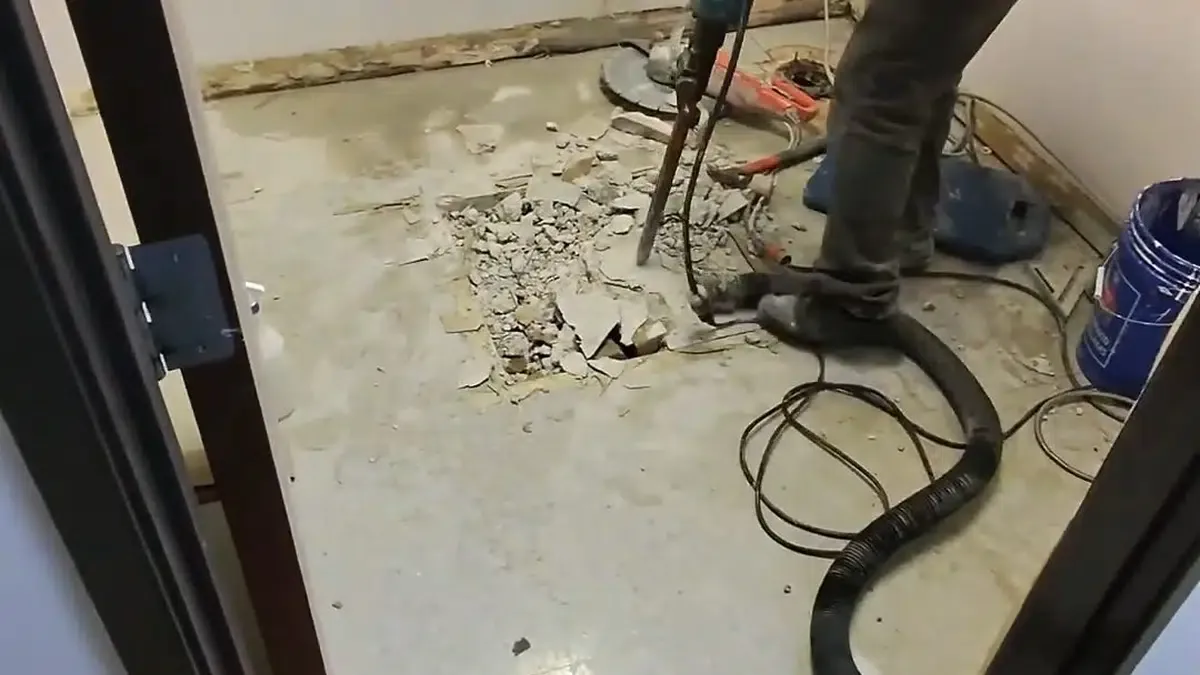
Signs that point to a leak under the floor
- A hot spot on a floor, usually over a hot water line
- The sound of running water when every fixture is off
- A water meter that moves with the house shut down
- A wet patch or lifted flooring with no fixture above it
- A bill that rises with no change in use
Spotting a slab leak early limits the damage to the pipe instead of the flooring above it. One sign alone is a reason to test, not a diagnosis. A moving meter plus a warm floor spot is a strong combination and worth an immediate call.
Before assuming a slab leak, rule out a toilet running or an irrigation fault. The leak detection page walks through the meter test that separates them.
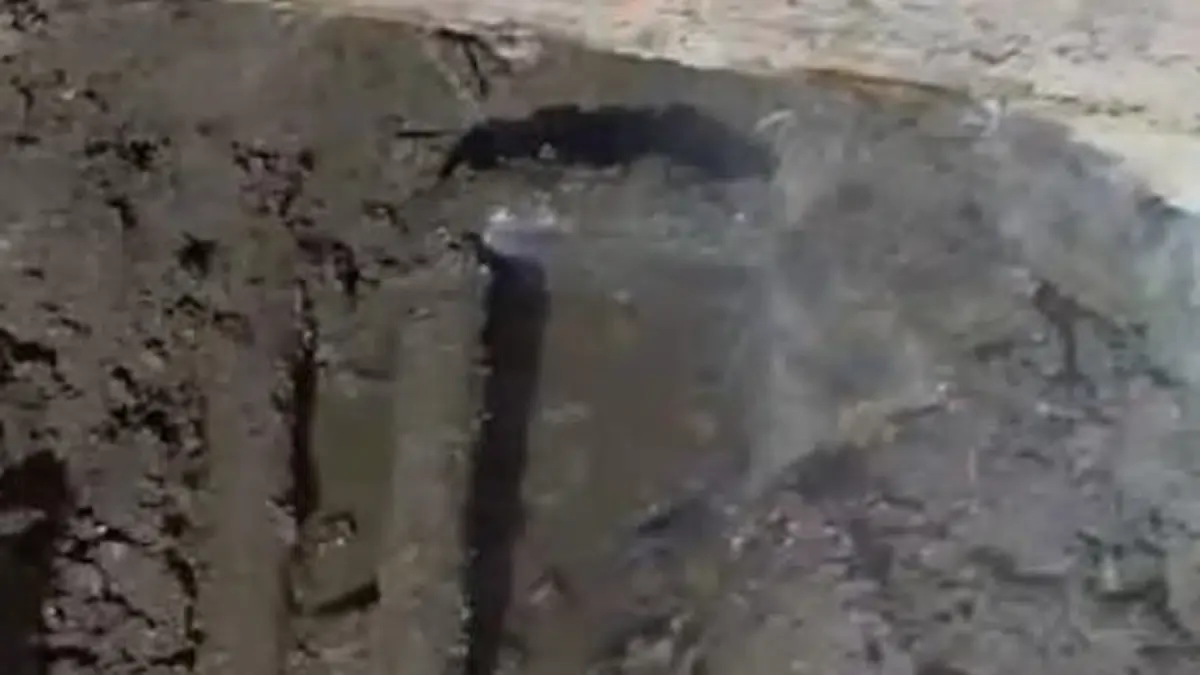
Slab leak location: how a plumber pins it down
Pinpointing comes before any cutting. The plumber isolates the hot and cold lines to learn which one is leaking, then uses acoustic equipment to listen along the floor and mark the loudest point. Thermal imaging helps when the leak is on a hot line.
A pressure test on each isolated line confirms the diagnosis. The goal is a mark on the floor the size of a dinner plate, not a guess that opens half a room.
Good detection also shows whether other lines are nearby and in similar condition. That detail drives the repair choice in the next section.
Hearing water you cannot explain
Shut off the main and call. Dispatch can book slab leak detection and tell you what to do until then.
Slab leak repair: spot repair, reroute or replace
Residential slab leak repair comes down to a few approaches, and each has a trade-off.
| Approach | What happens | Pick it when |
|---|---|---|
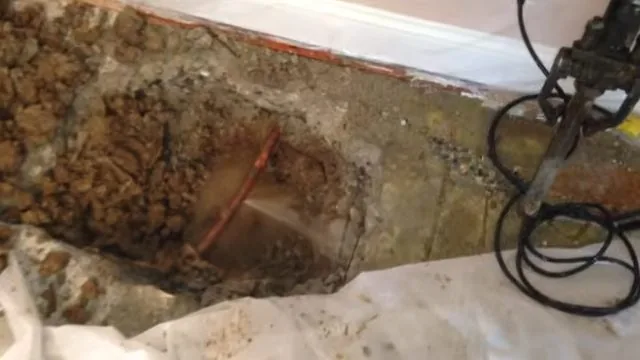
| Spot repair through the slab | The concrete is opened at the marked spot and the pipe is repaired | One failure on an otherwise sound line |
| Tunnel under the slab | A tunnel is dug beneath the floor from outside, so the pipe is reached without opening the living space | The leak is near an exterior wall and the ground can be tunneled |
| Reroute | The old line is abandoned and new pipe runs through walls or attic space | The line has failed more than once or sits in hard-to-reach concrete |
| Epoxy or trenchless lining | A coating is applied inside the pipe without opening the floor | The pipe is intact enough to hold it and the access points are available |
Swapping out concealed pipe or a trap for new material requires a permit under the City's administrative code, and an emergency repair of that type has its application due the next business day. Building Safety, at 520-421-8630, handles the permits, and the plumber on your job can explain which approach triggers one.
Insurance may cover some access and restoration work. Photograph the area and keep the plumber's written findings before you file a claim, because those documents carry the claim.
Before the plumber arrives: protecting the house
- Close the main shutoff if the meter is running fast or water is visible.
- Move rugs, boxes and electronics away from the warm or wet area.
- Photograph the spot, the meter reading and any stains with a date.
- Keep pets and children off a floor that is hot to the touch.
Do not drill or break the floor yourself. A cut in the wrong place leaves a hole and still leaves the leak, and it can damage a line that was fine.
Write down when you first noticed each symptom. That timeline helps the plumber judge how long the leak has run and whether insurance paperwork needs it.
A hot floor spot and a climbing meter
Those two signs together justify a call today. Dispatch can book detection and tell you what to do before the plumber arrives.
Questions to ask before approving a repair
- Which line is leaking, hot or cold, and how was it confirmed?
- Is the rest of the line in similar condition, and can you show me?
- What does each option involve for the floor, the walls and the finish?
- Does this approach need a permit, and who files it?
- What will you do if the pipe fails again near the repair?
A plumber who answers these plainly is giving you the information to choose. An answer that dodges the pipe condition deserves a second opinion.
What it means for the concrete and the foundation
Concrete work is the reason slab leaks feel intimidating. Opening a slab is a cut through a floor, and the repair is patched and finished afterward. It is not a structural alteration of the home.
Homes in Casa Grande are not all built the same way, so confirm what you have first. Look for a permit record from the City, or ask the plumber to check for floor access before quoting a plan.
Soil matters here as well. Hard caliche layers in the local clay soil, which the Arizona Geological Survey documents, slow any tunnel or trench, so ask how the plumber plans to reach an under-slab line before agreeing to the method.
If a leak has been running a long time, ask the plumber whether moisture has affected the floor above. A moisture reading is quick and tells you whether flooring needs attention.
Slab leak questions before you commit to a repair
What does a slab leak look like?
Often it does not look like anything, which is the problem. The usual signs are a warm spot on the floor, a meter that runs with everything off, the sound of running water and sometimes a damp patch on carpet. Any of these is worth testing. If the meter is moving, call.
What happens if I wait on a slab leak?
Picture a small hot water leak under a hallway. For weeks it is a slightly higher bill. Then the flooring warms, lifts and stains, and the repair now includes the floor. Waiting rarely shrinks the pipe repair and often adds restoration work, so schedule detection promptly.
What are the repair methods for a slab leak?
The main methods are spot repair through the slab, rerouting the line through walls or the attic, and epoxy lining. Do now: shut off the main if the leak is active and book detection. What can wait: choosing among the methods until the plumber has located the leak and checked the other lines.
Slab leak suspected under your floor
Dispatch answers all night. A licensed and insured plumber serving your area can start with detection.
- Licensed and insured plumbers
- Same-day service when available
- 24/7 emergency dispatch