
Water Line Repair and Replacement from Meter to House
A wet patch in the yard, a meter that spins when everything is off, or weak pressure all point to the same place: the line that carries water from the meter to the house. It is buried, so the problem is invisible until water shows up.
Locating the break, repairing or replacing the line and restoring pressure all come from a plumber serving your area. Ask dispatch for a same-day visit when a plumber has an opening.
- Licensed and insured plumbers
- Same-day service when available
- 24/7 emergency dispatch
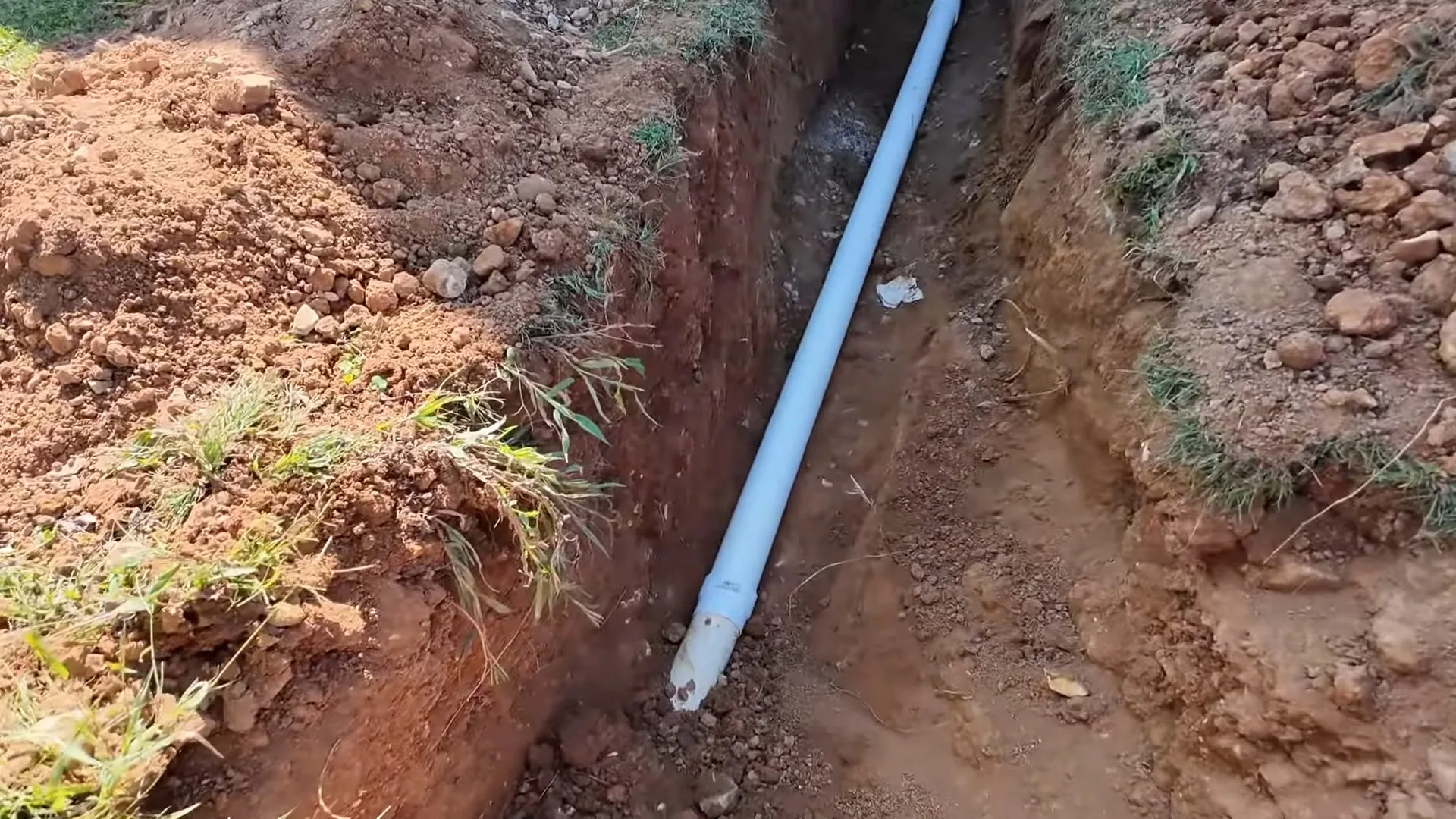
Water line repair: finding and fixing the break
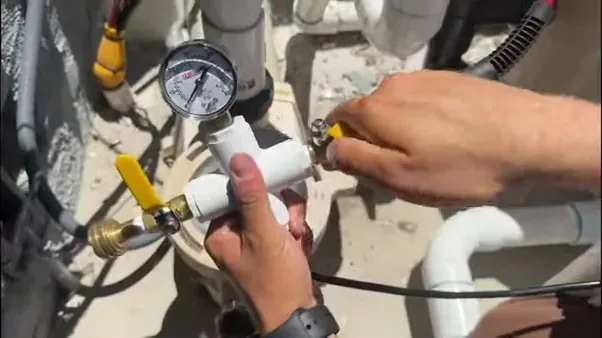
A plumber confirms the leak first. With every fixture off, a moving meter dial means water is escaping somewhere. A pressure gauge on an outdoor spigot adds clues. Then the line is traced and the break located.
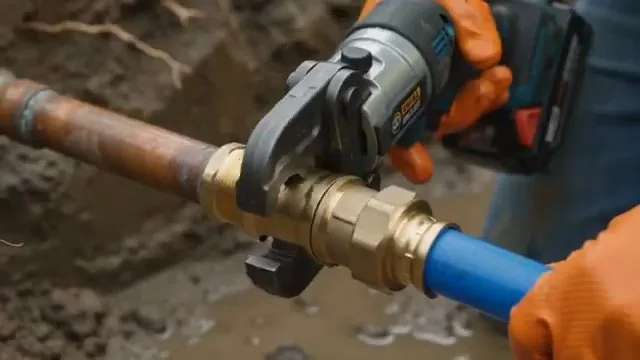
Repair means digging down to the break, cutting out the damaged section and joining new pipe with proper fittings. The trench is backfilled afterward. If the line is old and failing in several spots, replacement is the better answer.
- Confirm the leak with the meter test
- Trace the line and locate the break
- Call 811 and wait for markings
- Excavate, repair and pressure test
- Backfill and restore the surface
Digging near the line: 811 and caliche
Arizona 811 needs two full working days' notice before any digging, and only hand tools are allowed within two feet of the marked lines. Plan on that delay for any non-emergency excavation.
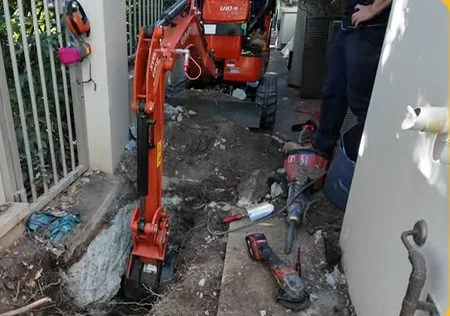
Soils in the Casa Grande area are mapped by the Arizona Geological Survey as clay-rich with caliche common. Caliche is a cemented hard layer that slows excavation, and clay holds water and shifts. Both affect how long a trench takes and how the line is bedded.
Wet yard, spinning meter or no pressure
Shut off the valve at the house and call. Dispatch sends a plumber serving your area.
Replacing a water service line
Replacement swaps the whole run from the meter to the house for new pipe. Some plumbers dig a trench, and some use trenchless methods when the route allows. The right method depends on the route, the surface above it and what lies in the way.
Stopping leaks is exempt under the City's administrative code, but replacing pipe with new material can change the permit picture. Building Safety, 520-421-8630, can say what applies, and the owner is responsible for permits.
Main line and yard line
The main line feeds the whole house, so a break there affects every fixture. A branch to a hose bib, irrigation system or outbuilding is a smaller line and can be repaired or capped separately.
High and low water pressure, regulators and meters
Low pressure may be a leak, a partly closed valve or a corroded line. High pressure is just as damaging, because it strains fittings and shortens the life of heaters and appliances.
| Symptom | Where to look |
|---|---|
| Low pressure at every fixture | Main shutoff, regulator, service line leak |
| Low pressure at one fixture | Aerator, cartridge or the branch pipe |
| Banging pipes or high readings on a gauge | Pressure regulator |
| Meter runs with all fixtures off | Leak between the meter and the house |
The pressure reducing valve (PRV, also called the pressure regulator) at the house entry is a wear item. A plumber tests it with a gauge and replaces it if the reading is high or drifting.
Meter and shutoff valve
The meter belongs to the water utility. Before work, call the utility to confirm where its side ends and yours begins. The shutoff valve at the house is the one you operate, and it should turn easily. A seized valve is worth replacing before an emergency forces the issue.
Planning to replace an aging service line
Get the line assessed before it fails. Call to book a plumber.
Exposed hose bibs and irrigation stubs in cold snaps
Winter nights in the area can drop below freezing. Exposed hose bibs and irrigation stubs are the usual weak points, so cover or insulate them and disconnect hoses. A split spigot often shows up as a drip once temperatures rise.
Early signs that the service line is failing
A buried line rarely fails without warning. Watch for a damp strip of soil above the route, a patch of grass that stays greener than the rest, or a sound of water at night when the house is quiet. A rising bill with no change in habits is another clue.
Any one of these signs justifies the meter test described above. Catching the leak early keeps the excavation smaller and the repair simpler.
Pressure testing a repaired line
After a repair, the plumber closes the line and watches a gauge for a drop. A steady gauge means the joints hold. This quick test catches a weeping fitting before the trench is filled and the surface restored.
Ask the plumber to show the reading, and to confirm the meter is still after the work is done. A still meter with all fixtures off is the plain proof that the repair worked.
Water line questions
How do I know if my water line is leaking?
Turn off every fixture and watch the meter. If the dial still moves, water is escaping. A wet patch in the yard, a sudden bill jump or low pressure all point the same way.
What decides the scope of a water line repair?
The depth, the length, the surface above the line and the soil all matter, and each one changes how much work the plumber plans before digging starts.
Who owns the water line, me or the utility?
It depends on where the meter sits. The meter belongs to the utility, so call it to confirm where its responsibility ends before you hire anyone to dig.
What causes low water pressure in a house?
Check the main shutoff first, then ask a plumber to test the regulator and look for a leak in the service line. Low pressure at one fixture is usually local to that fixture.
Water line trouble at the yard or meter
A licensed and insured plumber serving your area is one call away, any hour.
- Licensed and insured plumbers
- Same-day service when available
- 24/7 emergency dispatch