
Water Leak Detection and Repair for Casa Grande Homes
Residential leak detection is the work of finding where water is escaping before anyone opens a wall. It matters to any homeowner with a bill that jumped, a stain that keeps returning, or a meter that moves while every tap is off.
Listening gear, moisture readings and pressure tests let a plumber serving your area trace the leak and repair the failed section. If water is actively running, shut off the main and call now.
- Licensed and insured plumbers
- Same-day service when available
- 24/7 emergency dispatch
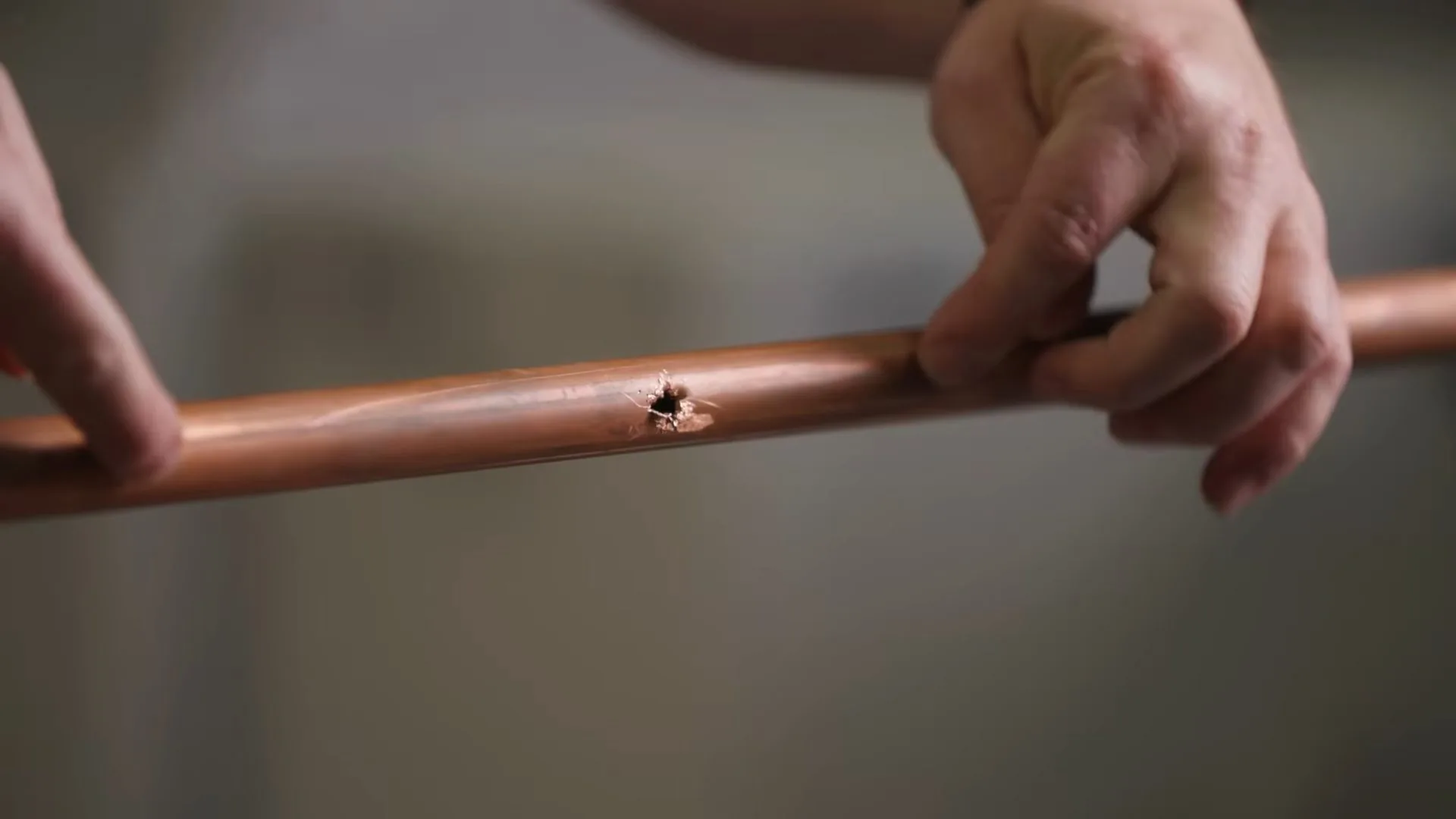
Leak detection service: finding the source without demolition
Detection comes first because a repair at the wrong spot wastes the visit. A plumber starts by isolating the system, then narrows the location with the tool that fits the pipe and the symptom. Most pinpointing uses one or two of the methods below.
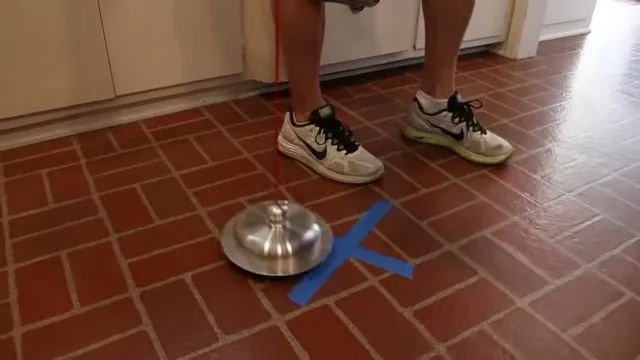
| Method | What it picks up | Works best for |
|---|---|---|
| Acoustic listening | The hiss or tick of water escaping under pressure | Pressurized supply lines inside walls and floors |
| Thermal (infrared) imaging | Temperature differences where wet material cools or hot lines warm a surface | Hot water leaks and wet drywall or ceilings |
| Electronic moisture meter | Moisture content in drywall, wood and flooring | Confirming how far a stain has spread |
| Pressure test | A drop in pressure when an isolated line is sealed | Proving whether a line leaks before opening anything |
Helium or tracer-gas testing and sonar-style probes exist for unusual cases. Most residential leak detection relies on listening, thermal and moisture tools, so ask the plumber which one is in use and why. Smart leak detection sensors placed under sinks and beside the water heater can also warn you early.
Check your own meter first
- Turn off every tap, appliance and irrigation timer.
- Read the water meter and note the position of the small leak indicator.
- Wait thirty minutes without using water, then read it again.
- If the dial or indicator moved, water is leaking somewhere on your side of the meter.
That test tells dispatch whether the leak is inside the house or in the yard. It changes who is sent and what they bring.
Emergency water leak repair in Casa Grande
Once the source is found, the repair depends on the pipe. A split copper line gets a section cut out and replaced. A failed fitting gets a new fitting. A line that is corroded along its length is a poor candidate for another patch, and the plumber will say so before cutting.
Under the City's administrative code, stopping a leak is exempt from permits, so emergency leak repair can start without waiting on paperwork. Replacing concealed pipe with new material is different and needs a permit, which is covered on the repiping page.
Water running now? Close the main shutoff, open the lowest faucet to drain the line, and keep towels at the edges of the wet area until the plumber arrives.
Dispatch can send a plumber the same day when one is available, and night and weekend calls are answered like any other.
Water is spreading and you cannot see where from
Give dispatch the room, the stain and what the meter is doing. The details help route the right plumber.
Fixture leaks at the toilet, faucet and shower
Many leaks that look serious are fixture leaks. A toilet that refills on its own wastes water all day. So does a faucet that weeps at the base or a shower valve that drips behind the handle.
Inspect toilets for silent leaks, because they waste the most water without a sound. Add a few drops of food coloring to the toilet tank and wait fifteen minutes. If color shows in the bowl, the flapper is leaking into it. Faucet and shower leaks usually come from worn cartridges or washers, and swapping them is a short visit rather than a pipe repair.
A fixture that keeps failing after a repair may be fighting high water pressure, so ask the plumber to read the pressure at a hose bib.
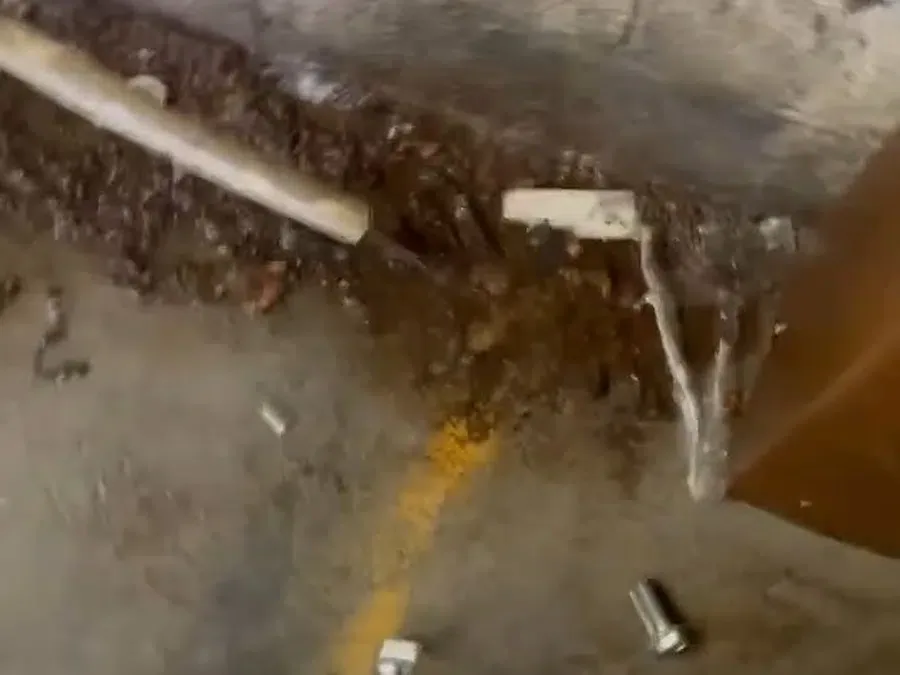
A bill that climbed with no new habits
Hidden leaks show up on the meter first. Call and describe the readings you took.
What a small leak does when it is ignored
Small leaks are easy to postpone, and that is how they become large repairs. Prolonged leaks cause structural damage to framing and flooring, and ignoring a leak multiplies the damage. Water softens drywall, swells wood trim and feeds mold in a closed wall. Humidity hides leaks too: a damp wall in a dry climate can look like nothing until paint blisters.
Common signs of a leak, and the warning signs of hidden leaks, include these.
- A water bill that climbs without a change in habits
- A musty smell in a closet, cabinet or hallway
- Paint that bubbles or drywall that feels soft
- Water stains that return after being painted over
- A running or trickling sound inside a wall
Catching small leaks early keeps the repair to a pipe section instead of a pipe section plus flooring. Keep a simple leak history: the date, the location and the meter reading each time you notice a symptom. Ask the plumber for a short written note of where the leak was located, because that documentation helps with an insurance claim and with any later repair.
Pipe condition checks and other leak calls
A plumbing inspection that includes a pipe condition check looks at the whole system instead of a single drip. The plumber inspects visible runs, tests pressure, checks shutoff valves and looks for green corrosion, mineral crust or weeping joints. It is a sensible step before buying a house or after a second leak in the same year.
Leaky ceilings cause water stains, and a wall or ceiling stain usually comes from a supply or drain line above it. The wet area marks where to look, not where the pipe failed. A hydrostatic test holds a line at working pressure and watches for any drop. Outdoor irrigation and sprinkler lines can leak too, and a pressure test shows whether the loss is on the house side or the yard side.
Leak detection questions homeowners ask
How do I find a hidden water leak in my house?
Start with the meter test: turn everything off and watch whether the indicator moves. Then look for the symptoms that go with a hidden leak, such as a warm floor spot, a musty smell or damp drywall. If the meter moves and you cannot see water, a plumber can locate the line with listening and moisture tools.
Is it a fixture leak or a pipe leak?
Choose a fixture repair when the water appears at a toilet, faucet or shower and stops when you close the fixture shutoff. Choose leak detection when the meter still moves with the shutoffs closed, or when the wet area has no fixture nearby. Fixture repairs are quick, while a leak inside a wall needs the source found first.
Is there a water leak in my area, or is it just my house?
Look at the meter first. If it moves with everything off, the leak is on your side. If a neighbor sees water in the street or a utility cover, call your water utility. A plumber is for anything between the meter and your fixtures.
Do I need a permit to repair a leaking pipe?
Not to stop the leak, because the City of Casa Grande administrative code exempts leak stoppage. Replacing concealed pipe with new material does need one, and Building Safety at 520-421-8630 can answer questions. Your plumber can say which category applies.
A leak does not wait for a convenient time
Call dispatch and a licensed and insured plumber serving your area will take the details.
- Licensed and insured plumbers
- Same-day service when available
- 24/7 emergency dispatch