
Water Heater Repair for No Hot Water, Leaks and Pilot Trouble
Water heater repair means finding out why the tank has stopped heating or started leaking, and fixing the part that failed. It matters most to homes where the heater is under ten years old or where one worn part is the whole problem.
The power or gas supply, the heating parts and the tank itself get checked before anyone suggests a repair or a replacement. Tell dispatch whether your heater runs on gas or electricity, because the parts differ.
- Licensed and insured plumbers
- Same-day service when available
- 24/7 emergency dispatch
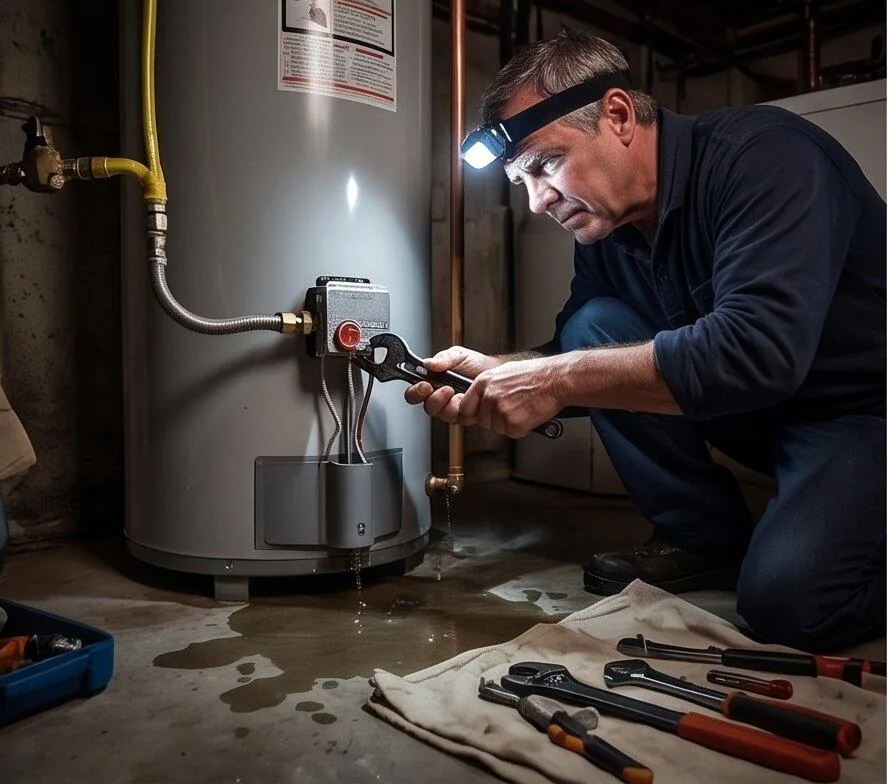
Gas versus electric: what fails on each
The first question a plumber asks is how the heater is fueled. The failures follow from the design.
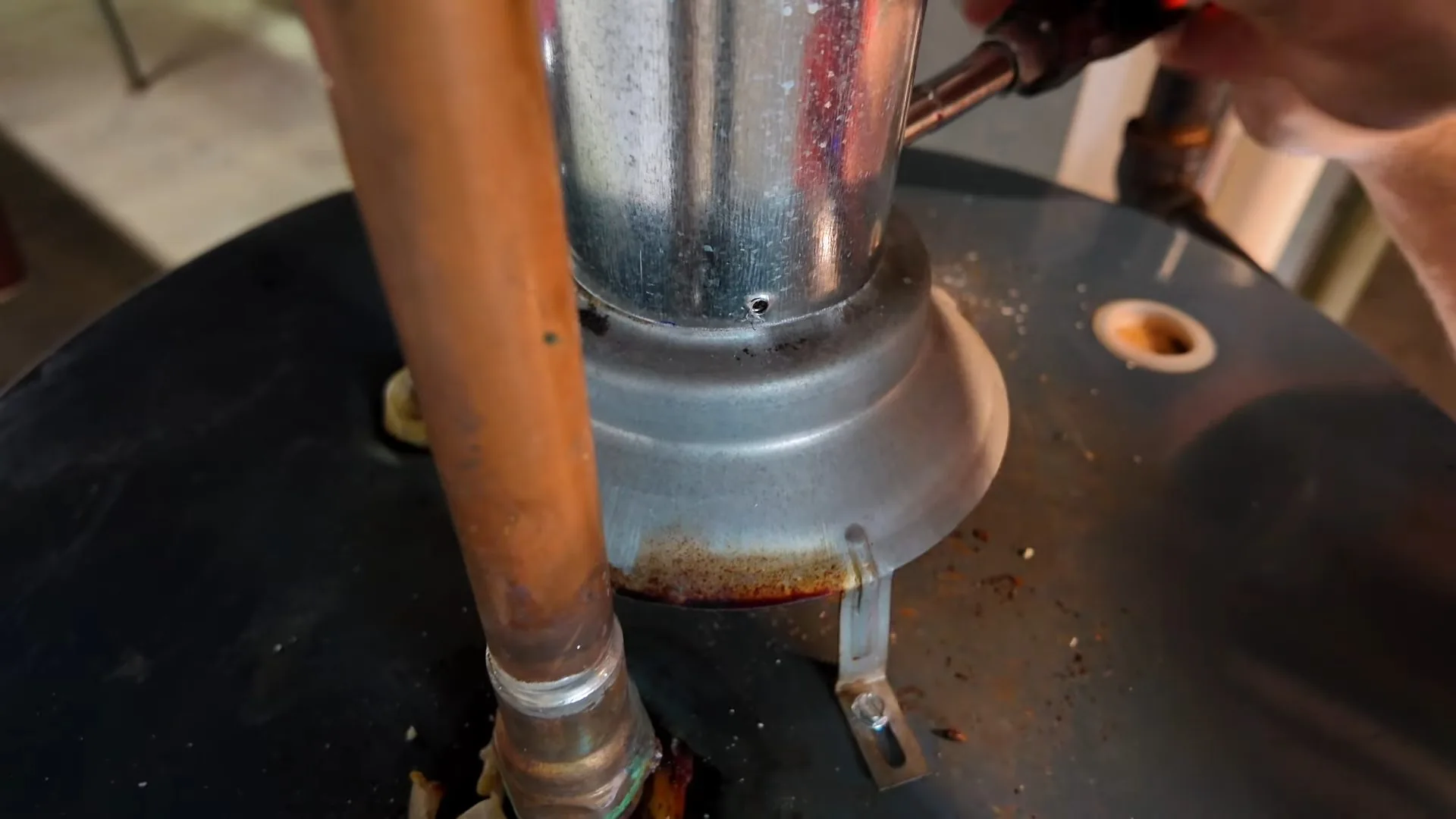
| Gas water heater | Electric water heater | |
|---|---|---|
| Heat source | Burner and pilot or igniter | Upper and lower heating elements |
| Common no-hot-water causes | Pilot out, failed thermocouple, dirty burner, igniter fault | Tripped breaker, failed element, bad thermostat |
| Safety step first | Smell gas: leave and call 911 from outside | Switch off the breaker before opening any panel |
| Usually a quick fix | Relighting, replacing a thermocouple | Replacing an element or thermostat |
Neither type is better for repair. The age of the tank and the condition of the part matter more than the fuel.
No hot water or not enough: what to check
- Check whether the breaker has tripped or the gas valve is open.
- Look at the pilot light or igniter on a gas unit, or the reset button on an electric unit.
- Run a hot tap and listen for a hiss or clicking from the burner.
- If it will not stay lit or keeps tripping, stop and call.
A lukewarm tank usually points to one failed element on an electric unit or a weak burner on a gas unit. Water that is scalding on some days and cold on others is a thermostat problem.
Replacing a part is a repair. Swapping the whole unit for a like-for-like model is exempt from permits under the City's administrative code when the gas, plumbing and electrical hookups stay as they are, and the installation page explains it.
Cold showers and a heater that will not start
Tell dispatch gas or electric and what the unit is doing. That decides who is sent.
A leaking tank: what can be saved
Where the water comes from matters. A drip at a pipe fitting, the relief valve or the drain valve can be repaired. Water coming through the tank shell cannot, because a corroded tank wall does not seal.
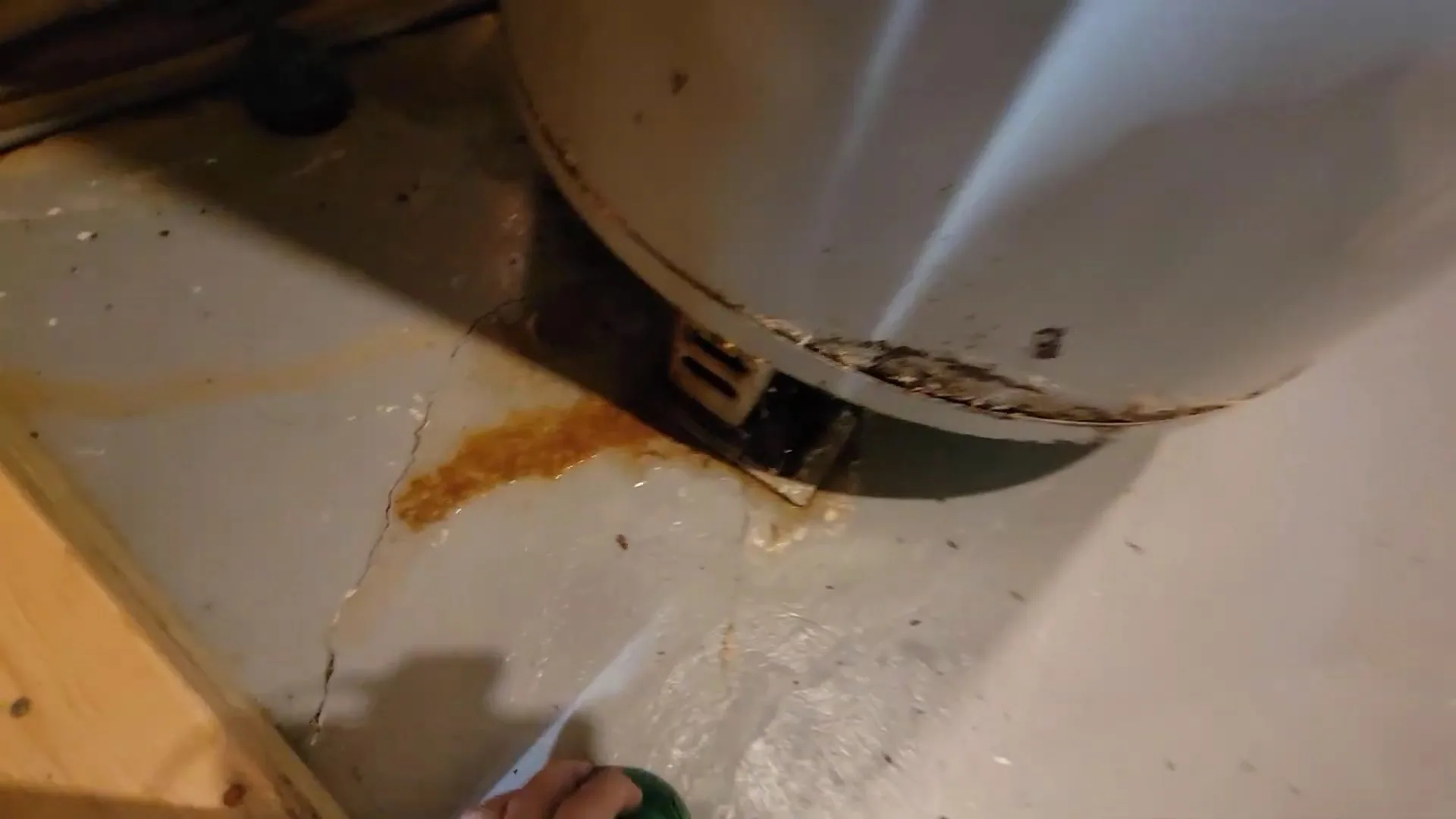
Turn off the power or set the gas to its pilot position, close the cold water supply to the heater, and drain a few gallons if the floor is wet. Put a pan or towels under the tank and keep the area clear.
If the plumber finds a rusted tank, the honest answer is replacement, and an old tank that leaks is rarely worth a repair bill.
Repair or replace: how to decide
The decision rests on a short list of facts, and a plumber can give you each one during the visit.
| Factor | Points toward repair | Points toward replacement |
|---|---|---|
| Where the leak is | A fitting, valve or relief valve | The tank shell |
| Age of the tank | Within its warranty period | Past the age on its label |
| History | First failure of a single part | Second or third failure in a short span |
| Condition inside | Clean tank, intact anode rod | Heavy rust or scale in the tank |
| Hot water demand | Household needs have not changed | The household has grown or the heater runs out |
The data plate on the side of the tank shows the manufacture date. Photograph it for the plumber when you call.
Thermostats, elements and burners: the parts that wear out
On an electric unit, the upper and lower heating elements and the thermostats wear with use. A failed upper element leaves lukewarm water, while a failed lower element shortens how long hot water lasts. Replacing an element is a routine repair when the tank is sound.
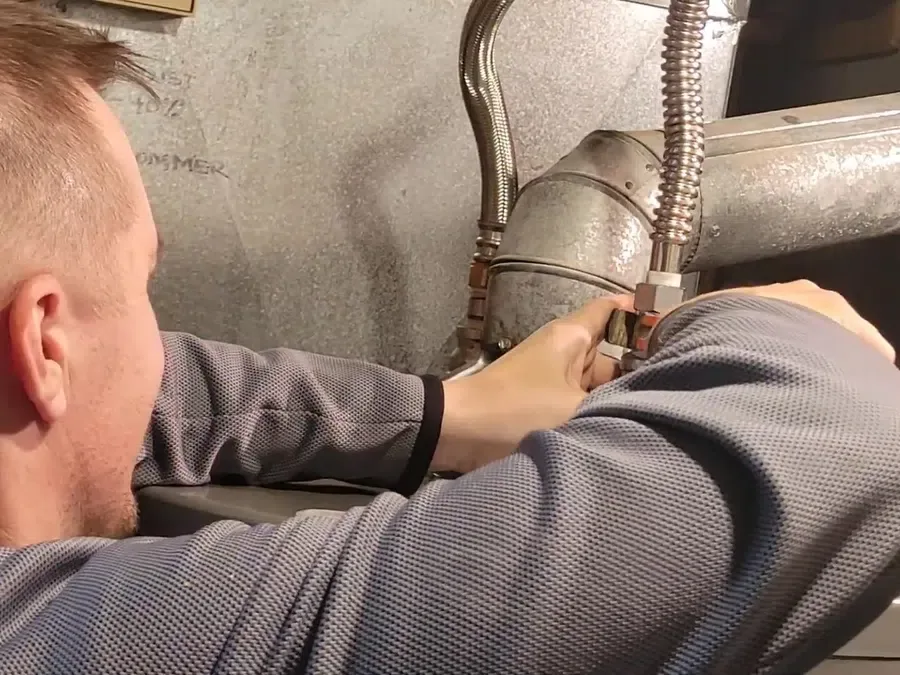
On a gas unit, the thermocouple, the igniter and the burner assembly do the work, and the gas control valve regulates it. A pilot that will not stay lit often traces back to a thermocouple that no longer senses the flame. A burner that is sooty or lights unevenly needs cleaning, and a plumber should check the venting at the same time.
Anything that involves gas controls, a damaged vent or a scorched tank is a stop-and-call item, and the plumber decides whether the unit is safe to run.
Water on the floor around the tank
A leak at the tank needs the water and power off first. Call and dispatch will book a plumber.
Flushing, sediment and routine maintenance
Sediment settles at the bottom of a tank and insulates the water from the burner or lower element. A tank full of sediment rumbles, takes longer to heat and wears parts early.
Flushing means draining a few gallons through the drain valve until the water runs clear. A plumber can do a full flush and check the anode rod, which protects the tank from rust.
Noise is worth a mention. Popping or rumbling usually means sediment, while a high whistle can mean a valve or a pressure problem.
Water heater repair questions
What should I do first when my water heater is leaking?
Do now: turn off the power or gas, close the cold supply and protect the floor. What can wait: deciding between repair and replacement until the plumber has seen where the water comes from. If the leak is through the tank wall, plan on replacement.
Why is there no hot water, or only lukewarm water?
Look for a tripped breaker, an unlit pilot or a failed element. A tank that is lukewarm usually has one failed element or a weak burner. These are repairs, and a plumber can confirm which one it is.
Who fixes hot water heaters, and who should I call?
A plumber handles most repairs, from thermostats and elements to gas controls and valves. An electrician is a second call when the problem is in the household wiring or panel. Start with dispatch, give the fuel type and the symptom, and a plumber serving your area takes it from there.
Is a tall or a short water heater better for my space?
Match the replacement to the closet or garage you have. Tall slim tanks fit narrow spaces and low wide ones fit under low ceilings. Ask the plumber to measure before ordering, because the connections change with the shape.
A cold shower is a plumbing call
Dispatch is open day and night, and a licensed and insured plumber serving your area can diagnose the heater.
- Licensed and insured plumbers
- Same-day service when available
- 24/7 emergency dispatch